
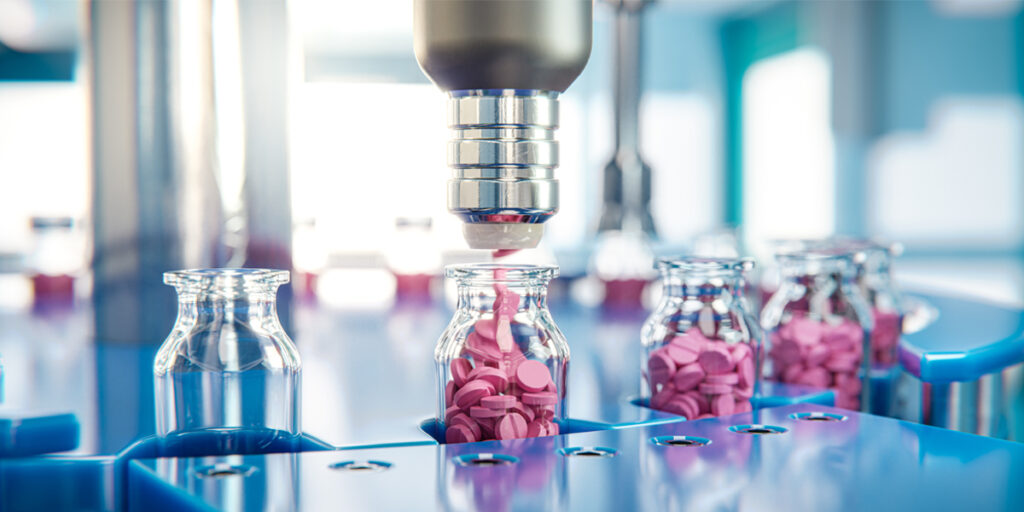
Pharmaceutical manufacturing is a cornerstone of the healthcare industry, responsible for producing medications that improve and save lives. It involves the intricate processes of drug formulation, production, quality control, and distribution, adhering to stringent regulatory standards. This article delves into the key aspects of pharmaceutical manufacturing, including its processes, challenges, and future trends.
Understanding Pharmaceutical Manufacturing
Pharmaceutical manufacturing encompasses the entire process of producing drugs, from initial formulation through to the final packaged product. This complex field integrates chemistry, engineering, and regulatory science to ensure that medications are produced efficiently, safely, and in compliance with regulatory standards.
Key Aspects of Pharmaceutical Manufacturing:
- Drug Development and Formulation:
- Formulation Development: The process begins with the development of a drug formulation, which involves combining active pharmaceutical ingredients (APIs) with excipients to create a stable and effective dosage form. This can include tablets, capsules, injectables, or topical formulations.
- Preclinical and Clinical Testing: Before manufacturing at scale, the drug undergoes rigorous preclinical and clinical testing to ensure safety and efficacy. This stage is crucial for refining the formulation and optimizing production processes.
- Production Processes:
- Scale-Up: Once a formulation is finalized, the manufacturing process is scaled up from laboratory to commercial production. This involves designing and setting up manufacturing facilities capable of producing large quantities of the drug.
- Batch Production: Drugs are typically produced in batches, with each batch undergoing specific processes such as mixing, granulation, compression, and coating. Ensuring consistency and quality across batches is critical.
- Quality Control and Assurance:
- Quality Control (QC): QC involves testing the drug at various stages of production to ensure it meets predefined specifications. This includes testing for purity, potency, and stability.
- Quality Assurance (QA): QA encompasses the entire production process, ensuring that manufacturing practices comply with regulatory standards and that documentation is accurate and complete.
- Regulatory Compliance:
- Good Manufacturing Practices (GMP): Pharmaceutical manufacturing must adhere to GMP guidelines, which ensure that drugs are produced consistently and controlled to quality standards. These guidelines cover everything from facility design to personnel training.
- Regulatory Agencies: Manufacturers must comply with regulations set by agencies such as the U.S. Food and Drug Administration (FDA), European Medicines Agency (EMA), and other national authorities. Compliance includes submitting detailed documentation and undergoing inspections.
- Packaging and Distribution:
- Packaging: The final drug product is packaged in compliance with regulatory requirements, ensuring that it is protected from contamination and damage during transportation and handling. Packaging also includes labeling, which provides important information for patients and healthcare providers.
- Distribution: Effective distribution networks are essential for delivering drugs to healthcare providers and patients. This involves logistics, warehousing, and maintaining the integrity of the product throughout the supply chain.
Challenges in Pharmaceutical Manufacturing
- Regulatory Compliance:
- Evolving Regulations: Regulations governing pharmaceutical manufacturing are constantly evolving. Keeping up with changes and ensuring compliance can be challenging. Manufacturers must stay informed about new guidelines and adapt their processes accordingly.
- Inspection Readiness: Preparing for and managing inspections by regulatory agencies requires meticulous documentation and adherence to GMP standards. Failure to comply can result in delays, fines, or product recalls.
- Quality Control and Assurance:
- Consistency: Ensuring consistency in drug quality across different batches and production scales is a major challenge. Variability in raw materials, equipment performance, and process conditions can affect product quality.
- Testing and Validation: Rigorous testing and validation are required to ensure that drugs meet safety and efficacy standards. This involves extensive analytical testing, stability studies, and validation of manufacturing processes.
- Supply Chain Management:
- Raw Materials: Securing high-quality raw materials is critical for drug production. Supply chain disruptions, such as shortages or quality issues, can impact manufacturing schedules and product availability.
- Logistics: Efficient logistics and distribution are essential for timely delivery of products. Challenges include managing inventory, coordinating with suppliers, and ensuring the integrity of the product during transport.
- Technology and Innovation:
- Advanced Technologies: The integration of advanced technologies, such as automation and data analytics, can enhance manufacturing efficiency but also requires significant investment and expertise.
- Process Optimization: Continuously optimizing manufacturing processes to improve efficiency, reduce costs, and maintain quality is an ongoing challenge. This involves implementing new technologies, refining processes, and investing in research and development.
- Cost Management:
- Production Costs: Pharmaceutical manufacturing involves high costs related to equipment, raw materials, and labor. Managing these costs while maintaining quality and compliance is a significant challenge.
- Pricing Pressure: Increasing pricing pressure from healthcare systems and payers can impact profitability. Manufacturers must balance cost management with the need to invest in quality and innovation.
Best Practices in Pharmaceutical Manufacturing
- Adherence to GMP:
- Standard Operating Procedures (SOPs): Develop and implement detailed SOPs for all manufacturing processes. Regularly review and update SOPs to ensure compliance with current regulations and best practices.
- Training: Provide comprehensive training for personnel to ensure they understand and adhere to GMP requirements and manufacturing standards.
- Implementing Robust Quality Systems:
- Quality Management System (QMS): Establish a QMS that integrates quality control and quality assurance functions. This system should include processes for handling deviations, non-conformances, and corrective actions.
- Continuous Monitoring: Implement continuous monitoring and real-time data collection to track production processes and ensure quality. Use this data to identify trends, address issues, and drive improvements.
- Leveraging Technology and Innovation:
- Automation: Invest in automation technologies to enhance production efficiency and consistency. Automation can reduce human error, improve process control, and increase throughput.
- Advanced Analytics: Utilize data analytics and machine learning to optimize manufacturing processes, predict equipment maintenance needs, and improve decision-making.
- Strengthening Supply Chain Management:
- Supplier Relationships: Build strong relationships with suppliers to ensure a reliable supply of high-quality raw materials. Implement supplier quality management programs and conduct regular audits.
- Inventory Management: Implement effective inventory management practices to balance supply and demand, minimize stockouts, and reduce waste.
- Focus on Sustainability:
- Environmental Impact: Adopt sustainable manufacturing practices to minimize environmental impact. This includes reducing waste, conserving energy, and using eco-friendly materials.
- Regulatory Compliance: Ensure that sustainability initiatives comply with regulatory requirements and industry standards.
Future Trends in Pharmaceutical Manufacturing
- Personalized Medicine:
- Tailored Treatments: The rise of personalized medicine is driving demand for manufacturing processes that can accommodate individualized treatments based on genetic, environmental, and lifestyle factors.
- Advanced Technologies: The development of advanced technologies, such as gene therapies and biologics, requires specialized manufacturing capabilities and expertise.
- Digital Transformation:
- Industry 4.0: The integration of digital technologies, including IoT, artificial intelligence (AI), and blockchain, is transforming pharmaceutical manufacturing. These technologies enhance process control, data management, and supply chain transparency.
- Smart Manufacturing: Smart manufacturing systems leverage data and automation to optimize production processes, improve quality, and reduce costs.
- Regulatory Evolution:
- Adaptive Regulations: Regulatory agencies are increasingly adopting adaptive and risk-based approaches to regulation. Manufacturers must stay informed about these changes and adapt their practices accordingly.
- Global Harmonization: Efforts to harmonize regulations across regions will impact pharmaceutical manufacturing practices. Manufacturers must navigate these harmonized requirements while maintaining compliance in multiple jurisdictions.
- Sustainability and Green Practices:
- Environmental Responsibility: There is a growing emphasis on sustainability and environmental responsibility in pharmaceutical manufacturing. Manufacturers are investing in green technologies and practices to reduce their environmental footprint.
- Circular Economy: The concept of a circular economy, which focuses on reducing waste and reusing materials, is gaining traction in the pharmaceutical industry.
- Emerging Therapies and Technologies:
- Cell and Gene Therapy: The development of cell and gene therapies is driving advancements in manufacturing technologies. These therapies require specialized production processes and facilities.
- Advanced Drug Delivery Systems: Innovations in drug delivery systems, such as nanotechnology and controlled-release formulations, are reshaping pharmaceutical manufacturing.
Conclusion
Pharmaceutical manufacturing is a complex and highly regulated field that plays a crucial role in ensuring the availability of safe and effective medications. From drug formulation and production to quality control and distribution, every aspect of the manufacturing process requires meticulous attention to detail and adherence to regulatory standards. While challenges such as regulatory compliance, quality control, and cost management persist, best practices and emerging technologies offer opportunities for enhancing efficiency, innovation, and sustainability. As the pharmaceutical industry evolves, manufacturers must adapt to new trends and technologies to meet the growing demand for personalized medicine, digital transformation, and environmentally responsible practices. Through continuous improvement and strategic investment, pharmaceutical manufacturing will continue to play a vital role in advancing healthcare and improving patient outcomes.